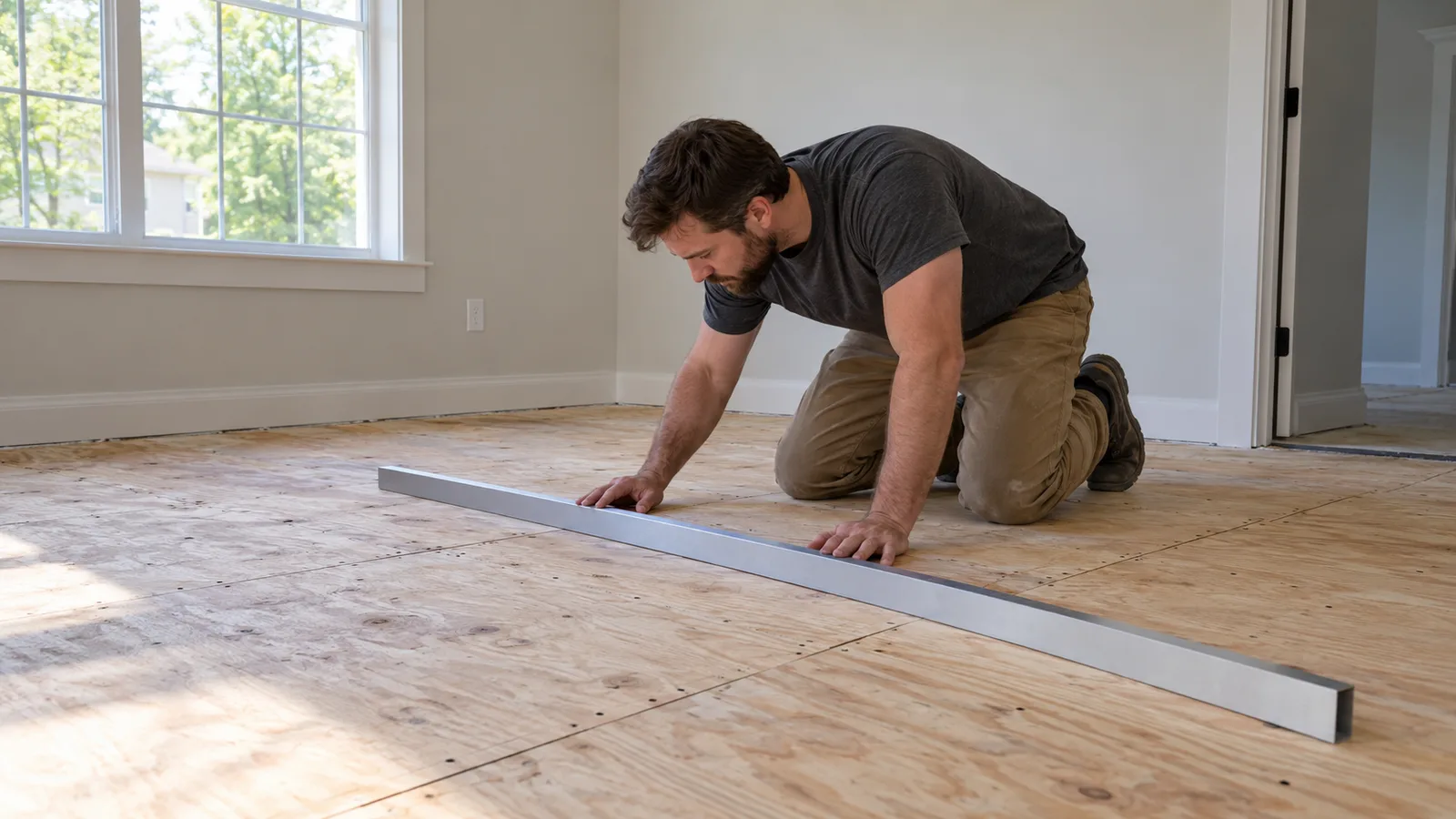
Removing the old floor is part of the project, not an afterthought. Share your plans with Raleigh Flooring Contractors HQ.
Tell us what material is coming out, how many rooms are involved and whether you will remain in the home.
Identify the layers before planning the work
Carpet, glued flooring, tile and wood can involve very different removal effort. Older layers or adhesives may need further assessment before anyone starts disturbing them.
Describe what you know about the existing floor and its age. If a material is uncertain, ask the contractor how it will be identified and whether specialist handling is needed.
Include the work around the edges
An estimate should say whether trim comes off, what will be reused and who repairs any affected surfaces. Clarify removal around cabinets, closets and thresholds.
Waste handling should include getting material out of the house and disposing of it appropriately. Access, stairs and where waste can be placed affect the logistics.
Agree on protection for rooms that are staying finished. Dust and debris control matter especially when the removal route crosses carpet, stairs or an occupied living area.
Leave room for what removal reveals
The exposed base may need repairs, cleaning or leveling before new flooring can begin. Ask for an approval process and a realistic schedule allowance for that discovery.
Before work starts, settle who moves furniture, disconnects appliances where needed and clears smaller belongings. The quote should distinguish those responsibilities from the flooring labor.
Should I remove the floor myself to save money?
Discuss the existing material and scope first. Unknown layers, dust, utilities and damage to the base can make a removal job more involved than it appears.